
Small- and mid-size companies where Cyrus was the chairman did better on bourses than large Tata group companies

Dividend pay-out by the group companies grew at a compounded annual rate of 15.7% under Cyrus, sharply up from 2.5% in the previous three years

There was virtually no incremental equity investment by Tata Sons during Mistry's first two years

Nifty 50 firms' net profit estimated to grow by a modest 3.1% in Q2, reports Krishna Kant.

Its rich valuation with a PE of 62 times raises downside risk for investors

The combined pay for India Inc's top management was up 30 per cent in FY16, growing at the fastest pace in nine years

Accumulated sum Rs 31,500 crore in 2015-16

A typical consumer will have to opt for Jio's Rs 499 plan, which is a steep 2.5 times more than what the average user pays at present.

The venture is applying to the Reserve Bank of India for approvals.

Together, they controlled nearly Rs 26 lakh crore of assets at the end of FY16.

The Aditya Birla Group announced the merger of its two holding companies, Aditya Birla Nuvo and Grasim, to make the holding structure clearer, ensure stable cash flows and unlock value in its financial services arm

In India, bond yields have fallen nearly 70 basis points in the last one year.

Sixteen companies in the group registered a turnover of over $500 million, with ten of these registering a turnover of over $1 billion


Ten of top 15 companies in 1991 were PSUs; now, there are only six. Their revenue share has also fallen from 86% to 45%

The founders of Gland Pharma, led by Ravi Penmetsa, and KKR, together own 96 per cent of the company.

Tata Steel (then Tata Iron and Steel), the most valuable index company in 1991, is now the least valuable.

Government-owned companies are more generous in rewarding their shareholders with dividends.

Most of the index heavyweights are yet to declare their results.
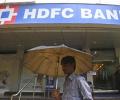
Shares of most European banks are down significantly.
 © 2026 Rediff.com - Advertise with us - Disclaimer - Privacy Policy - Sitemap - Feedback - About us - Terms of use - Grievances